
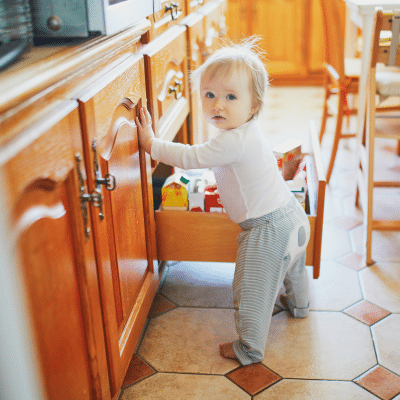
 Creating a safe environment at home is crucial for the well-being of your child. Children are naturally curious and adventurous, which can sometimes lead to accidents if their surroundings aren’t properly childproofed. At Commonwealth Pediatrics, we emphasize the importance of childproofing to prevent accidents and ensure a safe living space. Here’s a comprehensive guide to essential childproofing tips to help our patients in Richmond and Midlothian, VA protect their little ones from common household hazards.
Secure Furniture and Appliances
Children often climb on furniture or pull on appliances, which can lead to dangerous accidents. To minimize these risks:
- Anchor Heavy Furniture: Use wall anchors to secure heavy furniture, such as bookshelves, dressers and cabinets, to the wall. This prevents them from tipping over if a child climbs on or pulls at them.
- Stabilize Appliances: Ensure that large appliances like refrigerators and ovens are securely attached and cannot be easily tipped over. Appliance locks can also help prevent children from accessing potentially dangerous items.
Childproof Electrical Outlets
Electrical outlets can be tempting for curious children and pose a significant risk if they insert objects into them. To safeguard against electrical accidents:
- Use Outlet Covers: Install outlet covers or safety plugs to prevent children from inserting objects into the outlets.
- Manage Cords and Cables: Keep electrical cords and cables out of reach using cord clips or covers. Avoid running cords across the floor where they might pose a tripping hazard or be pulled on by children.
Install Safety Gates and Door Locks
Safety gates and door locks are essential tools for keeping children away from potentially dangerous areas in your home.
- Safety Gates: Place safety gates at the top and bottom of stairs and in doorways leading to areas like the kitchen or bathroom. Choose gates that are securely mounted and difficult for children to remove.
- Door Locks: Install childproof locks on cabinets, drawers and doors that lead to dangerous areas such as the garage or basement. This keeps harmful substances and tools out of reach.
Prevent Choking Hazards
Small objects can be a choking hazard for young children who are prone to putting things in their mouths. To prevent choking incidents:
- Store Small Items Out of Reach: Keep small objects like batteries, coins and small toys in high cabinets or secure containers.
- Inspect Toys Regularly: Check toys for small parts that could break off and pose a choking risk. Ensure that toys are appropriate for your child’s age and development.
Childproof the Kitchen and Bathroom
The kitchen and bathroom contain many potential hazards that need to be addressed:
- Lock Cabinets: Use childproof locks on lower cabinets where cleaning supplies, sharp utensils and other potentially dangerous items are stored.
- Stove Knob Covers: Install stove knob covers to prevent children from turning on the stove or oven.
- Secure Toiletries and Medications: Store medications, cleaning products and toiletries in locked cabinets or high shelves. Ensure that potentially harmful substances, such as bleach and other cleaning solutions, are safely stored.
Create a Safe Outdoor Environment
Your outdoor areas also require childproofing to ensure your child’s safety while playing outside:
- Fencing and Gates: Ensure that your yard is securely fenced and that gates are locked to prevent children from wandering off.
- Playground Safety: If you have a playground or play equipment, make sure it is well-maintained and anchored securely. Use soft ground coverings like mulch or rubber mats to cushion falls.
- Store Tools and Chemicals Safely: Keep garden tools, lawn mowers and chemicals in a locked shed or storage area to prevent access by children.
Educate Your Child
While physical childproofing is essential, educating your child about safety is equally important:
- Teach Basic Safety Rules: Explain simple safety rules to your child, such as not touching hot surfaces, avoiding electrical outlets and not opening doors without permission.
- Model Safe Behavior: Demonstrate safe practices and supervise your child during playtime. Reinforce safety rules regularly and provide guidance as they explore.
Regularly Review and Update Safety Measures
As your child grows and develops new skills, it’s important to regularly review and update your childproofing measures:
- Adapt to Developmental Changes: As your child reaches new milestones, adjust your safety measures accordingly. For example, as they learn to climb, ensure climbing hazards are secured or removed.
- Conduct Routine Safety Checks: Periodically inspect your home for potential hazards and make necessary adjustments to maintain a safe environment.
Essential Childproofing Tips: Request Your Appointment in Richmond and Midlothian, VA Today
Childproofing your home is a proactive and essential step in ensuring your child’s safety. By securing furniture, covering electrical outlets, using safety gates and childproofing key areas like the kitchen and bathroom, you can significantly reduce the risk of accidents. Additionally, educating your child about safety and regularly updating your safety measures will help keep them safe as they grow and explore. At Commonwealth Pediatrics, we proudly serve families in Chesterfield County. We are dedicated to supporting your efforts in childproofing and creating a secure environment for your child. For more information on child safety and health, don’t hesitate to request your appointment today!