 At Commonwealth Pediatrics in Richmond, VA, we understand vaccines for children are one of the most important tools in preventing serious diseases. They have been credited with saving millions of lives globally and reducing the spread of infectious diseases. As parents, caregivers and health providers, it’s crucial to understand the importance of vaccines and why they are essential for their overall health.
The Role of Vaccines for Children in Preventing Disease
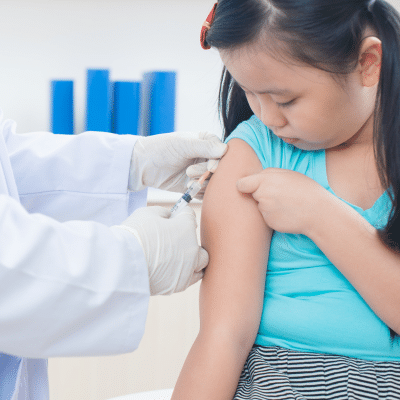
Vaccines for children are designed to protect them from a wide range of potentially life-threatening diseases by stimulating the body’s immune system to recognize and fight infections. They do this by introducing a small, harmless piece of the disease-causing organism, such as a protein or inactivated virus. This triggers an immune response that teaches the body how to recognize and combat the actual pathogen if exposed in the future.
For example, vaccines like the MMR (measles, mumps, and rubella) vaccine protect them from diseases that once caused widespread illness and death. Before the MMR vaccine was introduced, measles alone caused thousands of hospitalizations and deaths each year. Today, thanks to widespread vaccination efforts, measles has been nearly eradicated in many parts of the world, though outbreaks still occur in communities with low vaccination rates.
How Vaccines for Children Protect Communities
Vaccines for children don’t just protect the individual child; they protect the community as a whole through a concept known as herd immunity. When a high percentage of people in a community are vaccinated, it becomes much harder for diseases to spread. This is especially important for those who cannot be vaccinated, such as infants too young to receive certain vaccines, individuals with weakened immune systems, or those with certain medical conditions that make vaccination unsafe.
Herd immunity helps to protect these vulnerable individuals by reducing the overall amount of the disease circulating in the population. The more children who are vaccinated, the less likely an outbreak will occur. This is why it’s so important for all eligible children to receive their vaccines on schedule.
The Risks of Not Vaccinating
While some parents may have concerns about the safety of vaccines for children, it’s important to know that vaccines are rigorously tested and continuously monitored for safety. The benefits far outweigh the risks. Vaccines for children are much safer than the diseases they prevent, many of which can cause serious complications such as permanent disability, hospitalization, or even death.
For instance, diseases like whooping cough, polio and diphtheria, though rare in many countries, can cause devastating effects on children who are not vaccinated. Whooping cough, for example, can lead to severe coughing fits, difficulty breathing, pneumonia and even death in young children. Polio, once a leading cause of paralysis, can leave children permanently disabled.
Moreover, some vaccine-preventable diseases, like measles, can also cause complications such as ear infections, brain swelling and long-term health problems. The idea that some children “won’t get sick” because they are healthy or strong is a dangerous misconception. Many vaccine-preventable diseases are highly contagious and can affect even healthy children.
Vaccines for Children Are Not Just for Infants
A common misconception is that vaccines for children are only important for infants. However, children require vaccines throughout their early years and into adolescence. The Centers for Disease Control and Prevention (CDC) recommends vaccines starting at birth, with boosters and additional vaccines given as the child grows older.
For example, vaccines like the tetanus booster, the meningitis vaccine and the HPV vaccine are typically administered during the pre-teen and teen years. These vaccines are essential for continued protection as children enter adolescence and adulthood. The HPV vaccine, in particular, helps protect against certain strains of the human papillomavirus, which can cause cancer later in life.
The Convenience of the Childhood Immunization Schedule
The U.S. childhood immunization schedule is carefully designed to provide protection against diseases when children are most vulnerable. By following the recommended schedule, you ensure that your child is protected early on, giving them a strong foundation for their health. Delaying or skipping vaccines for children can leave them at risk for preventable diseases.
Vaccination appointments are quick and easy, and many pediatricians and clinics offer comprehensive care that includes ensuring children are up-to-date on their immunizations. Staying on track with vaccines means fewer visits to the doctor for treatment of preventable illnesses, reducing healthcare costs and minimizing the disruptions these illnesses can cause in your child’s life.
Addressing Common Concerns About Vaccines for Children
It’s natural for parents to have questions or concerns about vaccines for children. However, it’s important to rely on credible sources of information, such as pediatricians, the CDC and the World Health Organization (WHO), to make informed decisions. Common myths, such as vaccines causing autism, have been thoroughly debunked by scientific research. Vaccines for children are safe, effective and essential for maintaining public health.
Request Your Appointment in Richmond, VA Today
Vaccines for children are one of the most important measures we have to protect them from preventable diseases. They not only safeguard individual health but also help create a safer, healthier community for everyone. At Commonwealth Pediatrics in Richmond, VA, we encourage all parents to follow the recommended vaccination schedule and to reach out with any questions or concerns. Protect your child’s health today by ensuring they are up-to-date on their vaccines for children, so they can grow up strong and healthy, free from the risks of preventable diseases. Request your child’s appointment today!